
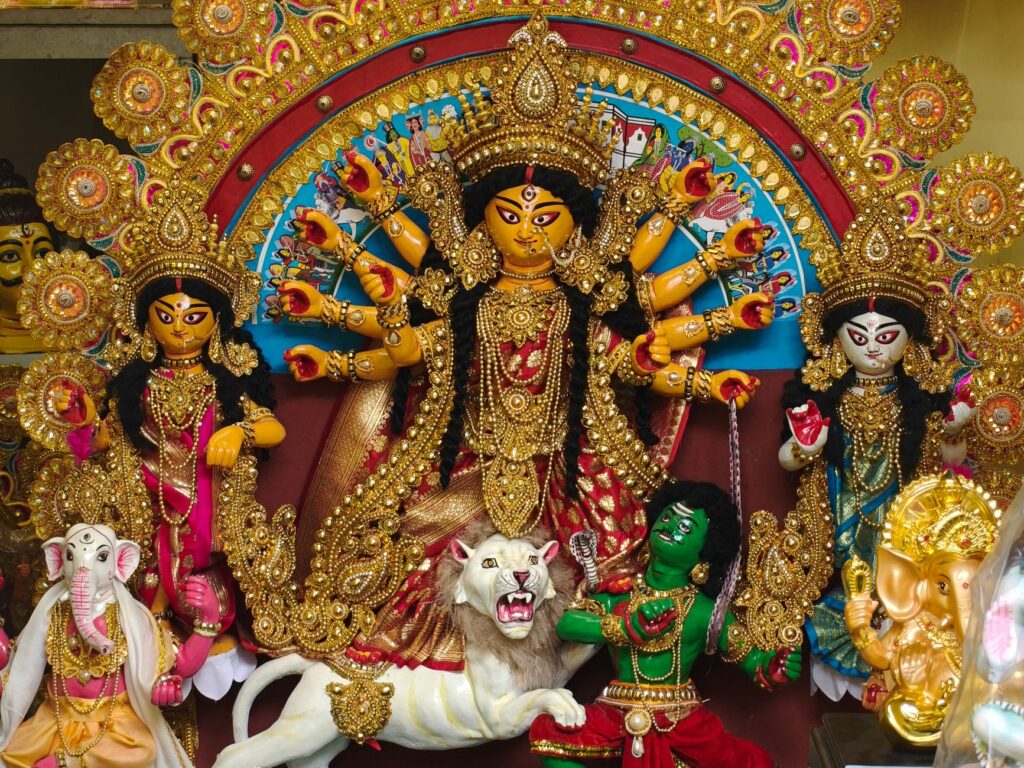
Maha Ashtami liquor ban has been announced by CM Suvendu, stating that bars and liquor shops will remain closed during the festivities. This decision has sparked discussions among the public.
Impact of the Maha Ashtami liquor ban
The recent Maha Ashtami liquor ban has stirred a significant debate among the residents of Bengal. With bars and liquor shops remaining closed, many are questioning the implications of this decision on local festivities and social gatherings.
Supporters of the ban argue that it promotes a more respectful observance of the religious day, allowing families to participate in puja activities without the influence of alcohol. They believe that the Maha Ashtami liquor ban encourages a focus on cultural traditions and enhances the spiritual atmosphere.
However, opponents contend that the ban could negatively impact local businesses that rely on holiday sales. They express concerns about potential revenue loss and the effect on jobs within the hospitality sector. Additionally, many feel that the restrictions may lead to increased underground sales, undermining the intention behind the ban.
As Bengal navigates this decision, the community remains divided on whether the Maha Ashtami liquor ban is a necessary measure or an overreach that could dampen the festive spirit.
Public reactions to the closure
Public reactions to the Maha Ashtami liquor ban have been mixed, reflecting a divide in opinion regarding the decision. While some residents support the ban, viewing it as a necessary measure to maintain the sanctity of the festival, others express frustration over the restrictions imposed on their celebrations.
- Supporters of the ban argue that it promotes a respectful atmosphere during Maha Ashtami, allowing families to participate in the festivities without the distractions of alcohol.
- Critics contend that the liquor ban infringes on personal freedoms, particularly for those who enjoy celebrating with drinks as part of their tradition.
- Local business owners have voiced concerns about the financial impact of the closure, fearing a significant loss of revenue during one of the busiest times of the year.
- Community leaders have called for a balanced approach, suggesting that restrictions should be accompanied by alternative entertainment options to engage the crowds.
As the debate continues, many are left wondering if the Maha Ashtami liquor ban is truly the right choice for Bengal.
Reasons behind the decision
The decision to impose a liquor ban during Maha Ashtami has sparked considerable debate among residents of Bengal. Several reasons have been cited for this initiative, aiming to align with the spiritual essence of the festival.
- Respect for Traditions: Maha Ashtami is a time for devotion and reverence, and authorities believe that a liquor ban will help maintain the sanctity of the festivities.
- Public Safety: The government aims to minimize potential incidents related to alcohol consumption, which could lead to disturbances during the celebrations.
- Encouraging Family Participation: By banning liquor, the state hopes to foster a more family-oriented environment, allowing more people to engage in the cultural and spiritual aspects of Maha Ashtami.
- Health Concerns: The ongoing emphasis on public health has led to discussions about the dangers of excessive drinking, particularly during large gatherings.
Overall, the Maha Ashtami liquor ban reflects a decision rooted in cultural sensitivity, public safety, and health considerations, although opinions on its effectiveness vary widely among the populace.
Alternatives for celebrating Maha Ashtami
As the Maha Ashtami liquor ban takes effect, many are seeking alternative ways to celebrate this significant festival. While the absence of alcohol may be a disappointment for some, it also opens up opportunities for more traditional and family-oriented festivities.
- Community Gatherings: Families and friends can come together to share meals, perform rituals, and enjoy each other’s company, fostering a sense of unity.
- Traditional Music and Dance: Local cultural programs featuring folk music and dance can add vibrancy to the celebrations, encouraging participation from all ages.
- Spiritual Practices: Many devotees can focus on prayer and worship, enhancing their spiritual connection during this auspicious time.
- Creative Workshops: Organizing art and craft sessions can engage children and adults alike, helping them create decorations and offerings for the festivities.
Ultimately, the Maha Ashtami liquor ban can inspire a return to the roots of the celebration, emphasizing community, spirituality, and creativity over indulgence.
Photo by Trishik Bose on Pexels
