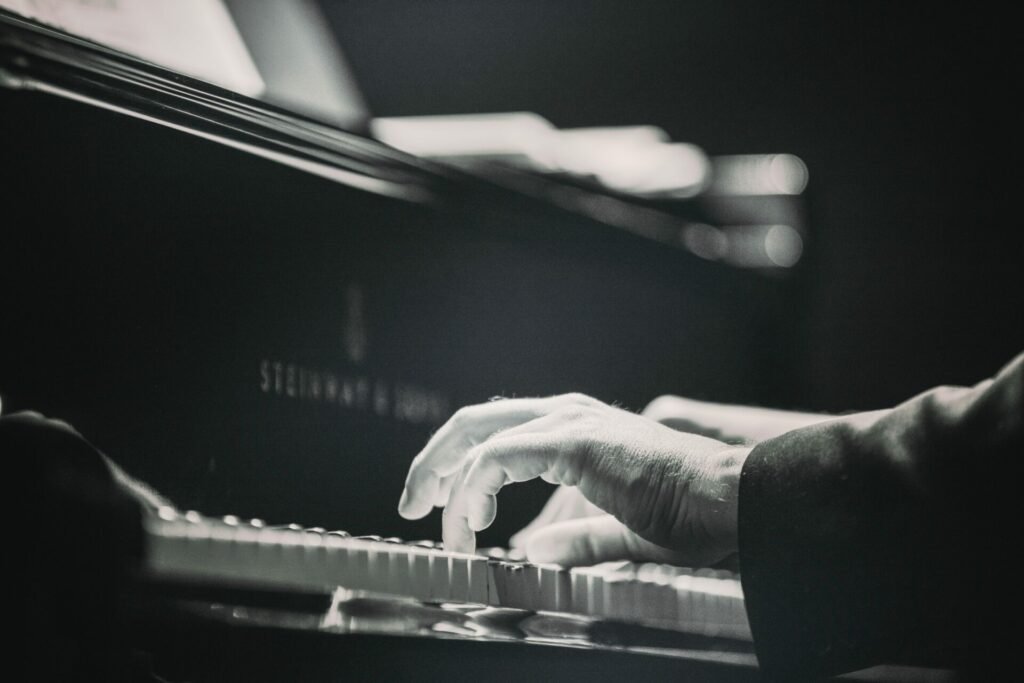
Neoclassical music is a captivating genre that marries the grandeur of classical compositions with modern sensibilities. Drawing inspiration from the classical period, it breathes new life into traditional structures and forms. By blending intricate melodies with contemporary elements, neoclassical music offers a fresh perspective on timeless musical conventions. With its rich harmonies and emotive storytelling, this genre continues to enthrall and inspire listeners worldwide. Welcome to the world of neoclassical music, where history and innovation intertwine to create a truly unique and mesmerizing auditory experience.

Exploring the Beauty of Neoclassical Music
Welcome to the enchanting world of neoclassical music! This genre, although rooted in the past, continues to captivate audiences worldwide with its timeless elegance and emotional depth. In this article, we’ll delve into the essence of neoclassical music, understand its origins, characteristics, prominent composers, and how it has evolved over time.
The Origins of Neoclassical Music
Neoclassical music emerged in the 20th century as a reaction against the lush and complex compositions of the Romantic era. Composers sought to revisit the clarity, order, and emotional restraint found in the music of the Classical period, particularly the works of composers like Mozart and Haydn.
This revival of Classical principles gave birth to a new musical language that combined the elegance of the past with a modern sensibility. Neoclassical music, therefore, embodies a harmonious blend of tradition and innovation, appealing to both seasoned classical music enthusiasts and modern listeners.
Characteristics of Neoclassical Music
One of the defining features of neoclassical music is its emphasis on clarity and structure. Composers often employ balanced forms, concise melodies, and transparent textures that harken back to the simplicity of the Classical period. This focus on clarity allows listeners to appreciate the intricate interplay of musical elements without the dense, overwhelming orchestration common in the Romantic era.
Another hallmark of neoclassical music is its use of tonal harmony and traditional compositional techniques. Composers often incorporate elements such as counterpoint, fugue, and theme and variation, giving their works a sense of intellectual rigor and craftsmanship. This adherence to established musical conventions distinguishes neoclassical music from more experimental contemporary genres.
Prominent Composers in Neoclassical Music
Several composers have made significant contributions to the neoclassical music movement, shaping its unique aesthetic and sound. Among the most notable figures is Igor Stravinsky, whose neoclassical works, such as “Pulcinella” and “Symphony in C,” exemplify the genre’s fusion of old and new elements.
Another influential composer in the neoclassical realm is Sergei Prokofiev, known for his symphonies, concertos, and ballets that showcase a blend of Classical forms and modern harmonies. Prokofiev’s ability to infuse traditional structures with innovative twists has cemented his legacy as a key figure in neoclassical music.
Additionally, composers like Paul Hindemith, Béla Bartók, and Francis Poulenc have also left their mark on neoclassical music, each bringing their unique perspectives and styles to the genre. Their works continue to be celebrated for their sophistication, wit, and emotional depth.
The Evolution of Neoclassical Music
Over the years, neoclassical music has evolved and diversified, adapting to changing musical tastes and cultural influences. While the core principles of clarity, structure, and tradition remain central to the genre, contemporary composers have expanded the boundaries of neoclassicism, incorporating elements from other genres such as jazz, minimalism, and electronic music.
Modern neoclassical composers like Max Richter, Ólafur Arnalds, and Ludovico Einaudi have gained widespread popularity for their innovative approach to blending classical aesthetics with a contemporary sensibility. Their works often feature lush orchestrations, ethereal melodies, and emotive storytelling, inviting listeners on a journey of introspection and beauty.
With the advent of digital technology and online platforms, neoclassical music has found a new audience eager to explore its enchanting melodies and evocative harmonies. Streaming services, social media, and digital recordings have made it easier for listeners to discover and appreciate the rich tapestry of neoclassical music, ensuring its enduring presence in the modern musical landscape.
In conclusion, neoclassical music stands as a testament to the enduring power of tradition and innovation in the realm of classical music. Its elegant melodies, refined structures, and emotional depth continue to resonate with audiences of all ages, bridging the gap between past and present. Whether you’re a seasoned classical music aficionado or a curious listener looking to explore new musical horizons, neoclassical music offers a captivating journey through the beauty of sound and expression.
So, immerse yourself in the enchanting world of neoclassical music, where the symphonies of the past meet the spirit of the present, creating a harmonious blend of elegance, creativity, and timeless beauty.
What exactly is "neoclassical?"
Frequently Asked Questions
What defines neoclassical music?
Neoclassical music is a style that emerged in the 20th century, characterized by a blend of traditional classical music elements with modern compositional techniques. It often features clear structures, balanced forms, and a return to more traditional tonal harmony.
How does neoclassical music differ from classical music?
Neoclassical music differs from classical music in that it incorporates elements of modern harmony, rhythm, and instrumentation while maintaining a connection to the structures and forms of classical music. Neoclassical composers often experiment with tonality and dissonance more freely than classical composers.
Who are some notable neoclassical composers?
Several renowned composers have made significant contributions to neoclassical music, including Igor Stravinsky, Sergei Prokofiev, and Aaron Copland. These composers drew inspiration from classical forms and styles while infusing their works with innovative and contemporary musical elements.
What are the key characteristics of neoclassical music?
Neoclassical music is known for its clarity, balance, and economy of expression. Composers in this style often use neoclassical techniques such as neo-Baroque counterpoint, diatonic harmonies, and a preference for smaller ensembles. The music tends to be more contrapuntal and less emotional than the Romantic style.
How did neoclassical music influence the development of modern music?
Neoclassical music played a significant role in shaping the direction of modern music by challenging traditional conventions and encouraging experimentation with new sounds and structures. It inspired composers to explore the boundaries between traditional tonality and atonal music, leading to the development of diverse and innovative musical styles.
Final Thoughts
Neoclassical music, characterized by its blend of traditional styles with modern techniques, seeks to revive the forms and structures of classical music. Influenced by the classical era, neoclassical music features melodies, harmonies, and forms reminiscent of the past while incorporating contemporary elements. This genre offers a fresh perspective on classical music, bridging the gap between tradition and innovation. In essence, neoclassical music is a harmonious fusion of the old and the new, creating a unique and refreshing musical experience.